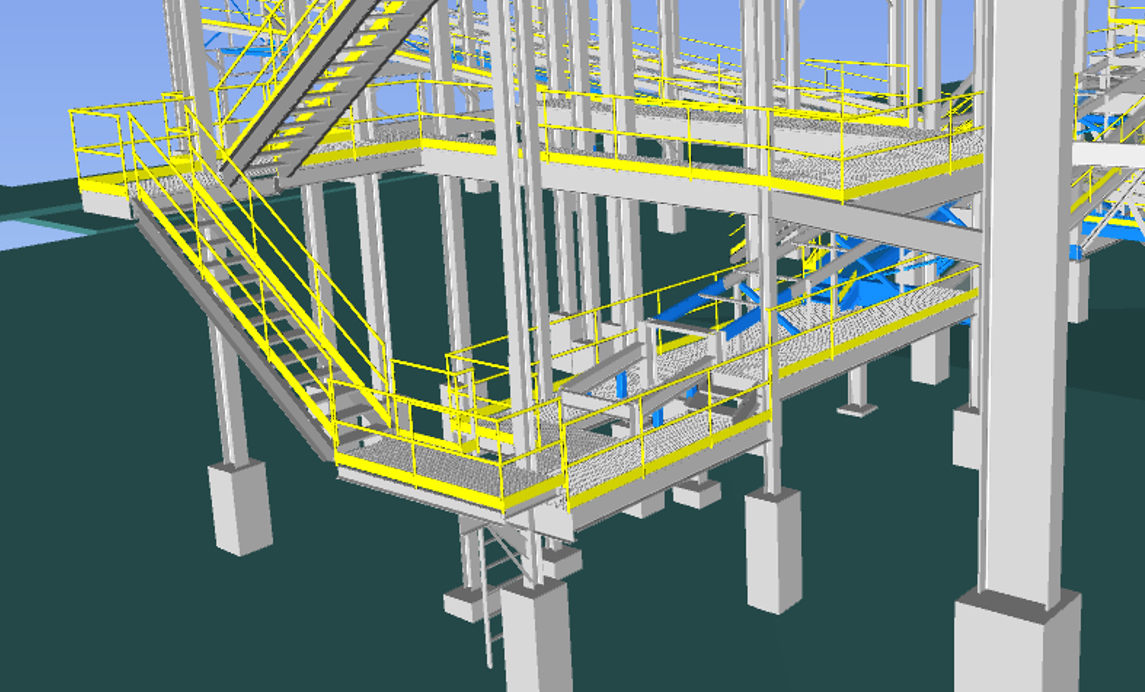
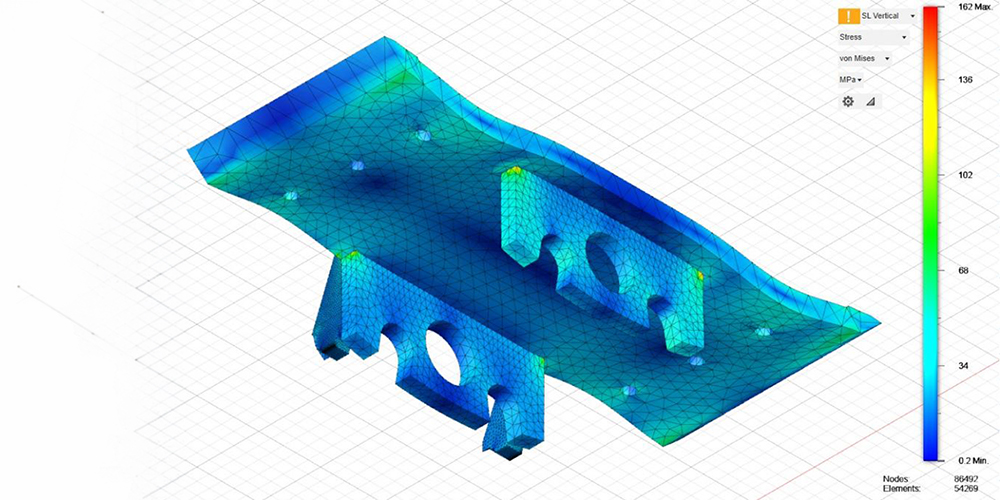
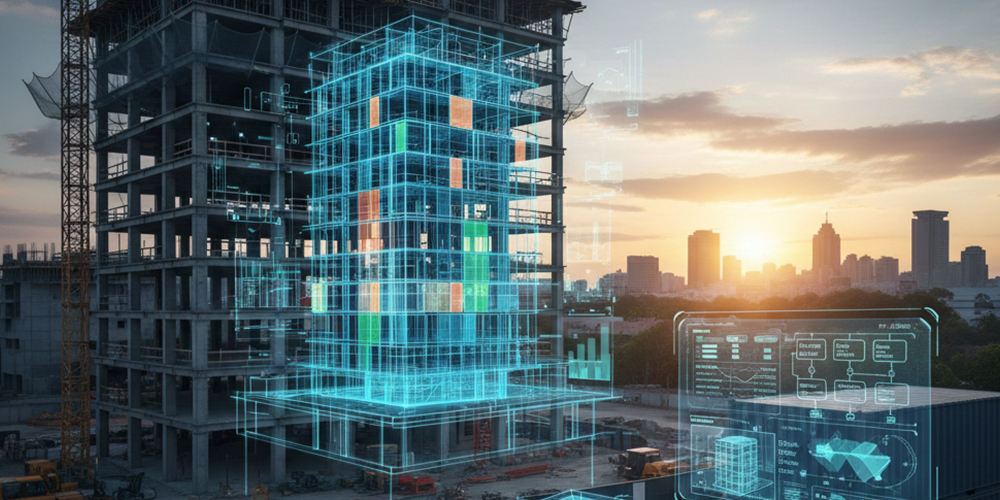
Our design team uses Building Information Modelling (BIM) as the digital backbone of the design development phase, transforming static blueprints into a dynamic, data-rich environment that fosters unparalleled interdisciplinary coordination. By integrating architectural, structural, and MEP systems into a single federated 3D model, we can identify and resolve spatial conflicts—known as clash detection—long before a single shovel hits the ground, significantly reducing the risk of costly field changes. This centralized “source of truth” enables real-time extraction of precise quantities and performance data, allowing our engineers to conduct advanced simulations and structural integrity assessments while maintaining a seamless feedback loop with stakeholders. Ultimately, leveraging BIM during design development doesn’t just improve visualization; it optimizes the entire project lifecycle by ensuring that every design decision is backed by high-fidelity data and collaborative precision.
Key Benefits of BIM in Design Development
- Clash Detection: Automating the identification of physical interference between systems.
- Data Integration: Real-time updates to schedules, costs, and material quantities.
- Enhanced Visualization: Providing clients with immersive walkthroughs to finalize aesthetic and functional choices.